Natural Pet Anxiety Relief: A Guide to Calming Your Canine Companion
Understanding Canine Anxiety: More Than Just a Nervous Tail
Every dog owner has seen it. The tucked tail, the low ears, the pacing by the door when a storm rolls in. Canine anxiety is real and it is more common than many people realize. It shows up in different forms: separation anxiety when you leave for work, noise phobia during fireworks, or general nervousness around strangers. For years, the standard fix was a sedative from the vet or a tight hug that sometimes made things worse. But there is a growing shift toward natural pet anxiety relief, and for good reason. Dogs respond well to gentle, plant-based options that support their nervous system without knocking them out completely.
When I first started working with anxious dogs, I noticed that the ones on heavy medication often lost their spark. They ate less, played less, and sometimes seemed confused. That is not relief. That is suppression. Real relief comes when a dog can settle into a calm state on their own. That is where nutraceuticals and targeted ingredients like CBD, chamomile, and L-theanine come into play. These compounds work with the dog's biology, not against it.
What Natural Pet Anxiety Relief Looks Like
Natural pet anxiety relief is not a single product or pill. It is a category that includes everything from calming chews to pressure wraps. The goal is always the same: reduce stress hormones like cortisol and boost calming neurotransmitters such as serotonin and GABA. Many owners start with a simple change, like adding a calming supplement to their dog's morning meal. Others turn to pheromone diffusers like Adaptil or milk protein-based products like Zylkene. These options do not require a prescription and they rarely cause side effects.
One of the most popular approaches today involves hemp oil or CBD. Hemp-derived CBD is non-psychoactive, meaning it will not get your dog high. Instead, it interacts with the endocannabinoid system to promote balance. A few drops under the tongue or a soft chew with CBD can take the edge off a nervous dog within thirty minutes. I have seen it work wonders for a Border Collie who could not relax during car rides. After a week of CBD treats, he curled up in his crate and slept through the trip. That is the kind of outcome that makes owners keep coming back for more.
Key Ingredients That Actually Work
Not all calming products are created equal. Some rely on cheap fillers that do nothing. Others use ingredients that are safe but ineffective. Over the years, I have tested dozens of formulations, and a handful of ingredients stand out for their consistent results.
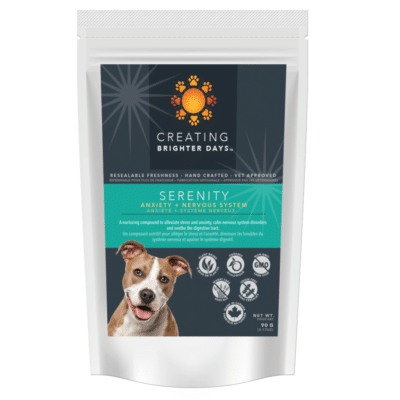
Chamomile is a gentle herb that many dogs tolerate well. It works similarly to a mild sedative, promoting relaxation without drowsiness. L-theanine, an amino acid found in green tea, boosts alpha brain waves associated with a calm, focused state. It is especially good for dogs that get overstimulated easily. Valerian root is another old-school remedy. It acts on GABA receptors, much like prescription anti-anxiety drugs, but without the harshness. Ashwagandha is an adaptogen that helps the body handle stress more effectively. I often recommend it for dogs that live in chaotic households or travel frequently.
Melatonin is a tricky one. It can help with sleep-related anxiety, but dosing is critical. Too much can cause grogginess or even digestive upset. For most dogs, a low dose of 1 to 3 milligrams works best. Tryptophan is a precursor to serotonin, the feel-good neurotransmitter. It shows up naturally in turkey and dairy, but concentrated forms are common in calming chews. When these ingredients are combined thoughtfully, the result is a product that addresses anxiety from multiple angles.
Tools Beyond the Bowl: Wraps, Pheromones, and More
Sometimes a treat or oil is not enough, especially for dogs with severe phobias. That is where physical and environmental tools come in. The ThunderShirt is a pressure wrap that applies gentle, constant pressure to a dog's torso. Many owners swear by it during thunderstorms or fireworks. The effect is similar to swaddling a baby. It does not look fancy, but it works because it taps into the dog's natural calming reflex.
Another option is an anxiety wrap, which is basically a snug vest that stays on for hours. Dogs that pace or pant during stressful events often settle down within minutes of wearing one. Pheromone collars and diffusers like Adaptil release synthetic versions of the calming signals that mother dogs produce. These do not work on every dog, but they are worth trying if your pet is sensitive to noise or separation.
Zylkene is a different approach entirely. It contains a bioactive milk protein that promotes relaxation without affecting the central nervous system. It is tasteless and odorless, so you can sprinkle it on food without your dog noticing. For dogs that need something stronger, there are prescription-level nutraceuticals like Composure and Solliquin. These are not drugs, but they are more potent than over-the-counter chews. I have used Solliquin with rescue dogs that had severe trauma. It took about a week, but the change was remarkable.
Real Stories, Real Results
A few years ago, I worked with a Labrador named Max. He had severe separation anxiety. He destroyed furniture, scratched doors, and howled for hours. His owner tried everything: behavioral training, thunder shirts, even medication from the vet. Nothing stuck until we tried a combination approach. We used a CBD-infused treat about thirty minutes before the owner left, paired with a ThunderShirt and a pheromone diffuser in the room. Within two weeks, Max was calm enough to be left alone for four hours. The owner reported that he actually greeted her at the door with a wagging tail instead of a frantic leap. That is the power of a thoughtful, multi-modal natural pet anxiety relief plan.
Another case involved a small terrier named Bella who was terrified of car rides. She would shake, drool, and vomit. Her vet prescribed a sedative, but it made her so groggy she could barely walk. We switched to a low-dose melatonin and L-theanine chew from Kush Station's pet line. Combined with a Rescue Remedy spray (a homeopathic blend of flower essences), Bella made it through a two-hour drive without a single accident. Her owner now drives with her regularly.
How to Choose the Right Product
With so many options, picking the right one can feel overwhelming. Start by identifying the trigger. Is it noise, separation, or general nervousness? For noise phobia, a ThunderShirt or Adaptil might be enough. For separation anxiety, a chew with CBD and chamomile could work better. If you are unsure, try a single-ingredient product first. That way, if your dog reacts poorly, you know exactly what caused it.
Always check the label for dosage guidelines. Most products are safe, but too much of a good thing can cause digestive upset or drowsiness. I recommend starting with half the recommended dose and observing your dog for a day. If they seem calmer without side effects, you are on the right track. If not, adjust slowly. Never combine multiple calming products without consulting a vet first.
Kush Station offers a range of nutraceuticals that include several of these ingredients. Their pet treats are formulated with vet CBD and other calming compounds. They are not a cure-all, but they are a reliable option for dogs that need steady, gentle support. Many owners find that rotating between a few different products keeps the dog responsive and prevents tolerance from building up.
The Bigger Picture: Lifestyle Matters Too
No supplement or wrap can replace the basics. A tired dog is a calm dog. Regular exercise, mental stimulation, and a predictable routine all contribute to lower anxiety levels. If your dog is anxious, look at their daily schedule first. Are they getting enough walks? Do they have chew toys that challenge their brain? Sometimes a simple change like adding a second walk or a food puzzle can reduce anxiety more than any product can.

Diet also plays a role. High-quality protein, healthy fats, and limited fillers support brain health. Dogs that eat processed food with too many carbohydrates often have blood sugar swings that mimic anxiety. Switching to a balanced diet with added tryptophan or L-theanine can make a noticeable difference. For dogs that need extra support, a calming chew before a stressful event can be the difference between panic and peace.
Natural pet anxiety relief is not a magic bullet. It is a tool, and like any tool, it works best when used correctly. Start with one approach, observe your dog, and adjust from there. Over time, you will find a combination that lets your dog relax, play, and sleep like they were meant to. That is the real goal, and it is achievable with patience and the right information.